Remember the old days when you’d find a bookie on the corner? Now, he’s all digital, with rules as long as a CVS receipt. Today’s online sportsbook is like that bookie, but much more complex. It’s a mix of finance, law, and tech that knows where you are.
Those shady alleys are gone. Now, betting is just a tap away on your phone. It’s not just easy; it’s a big change in how we bet. The history of online gambling shows how far we’ve come.
So, what is it? It’s a digital bookmaker, but more than that. It’s a system that follows the law and knows where you are. Geolocation tech is key here, making sure bets are legal.
Think of it as a Big Brother who only checks if you’re in the right state. It’s not just about stopping fraud. It’s about following the law. Every bet you make is a step through a complex legal maze.
Account setup and verification
Ready to test your sports smarts? The first step is not betting. It’s getting past the digital gate. Think of it as getting a VIP pass to the world of sports predictions.
The process is easy, like a smooth pass. But, it needs a few key steps. We’ll guide you through the sign-up, a key part of legal betting in many places.
Here’s how to get started, from downloading the app to making your first bet.
The Social Sportsbook Sign-Up Playbook
Joining a social sportsbook is straightforward. The steps are the same in most legal states. Here’s what you need to do:
- Download the App: Start by downloading a legal and trusted app from your device’s store.
- Account Creation: Open the app and sign up. Choose a username, enter a valid email, and make a strong password.
- Phone Verification: You’ll get a code via SMS to confirm your phone number.
- The KYC Waltz: This is the main step: the Know Your Customer (KYC) process. It’s the safety check that keeps the platform legal.
The KYC Two-Step: Proving You Are You
This step is key. You’ll need to show ID and age to prove who you are. A good KYC and age verification solution is essential. You’ll need to provide:
- A clear photo of a government-issued ID (like a driver’s license or passport).
- Sometimes, a secondary document or a quick selfie for liveness detection.
This process might seem like a hassle. But it’s what makes betting apps legal and safe.
After verification, you’re all set. The app becomes your place for making picks and showing off your sports knowledge. It’s all about fun, without the risk of real money betting.
Deposits and withdrawals
Moving money in and out of your online sportsbook is not as simple as a bank transfer. In sports betting, your deposit is your ammo, and your withdrawal is your prize. The whole system of an online sportsbook relies on smooth money flow—money in, money out. But, in the world of social and sweepstakes platforms, “money” can be tricky.
For real-money online sportsbooks, the process is clear but complex. You can fund your account with various methods, like credit cards or e-wallets. Then, you withdraw your winnings back to your chosen method. Here’s a breakdown of common methods:
| Method | Typical Speed | Fees | Notes |
|---|---|---|---|
| Credit/Debit Cards | Instant | Usually none for deposit | Widely accepted, but withdrawals may not be possible. |
| E-Wallets (PayPal, Skrill) | Instant | Variable | Fast and convenient for both deposits and withdrawals. |
| Bank Transfer / ACH | 1-3 Business Days | Often free | Reliable but slower. |
| Near-instant | Low or none | A popular, secure choice for Canadian players. |
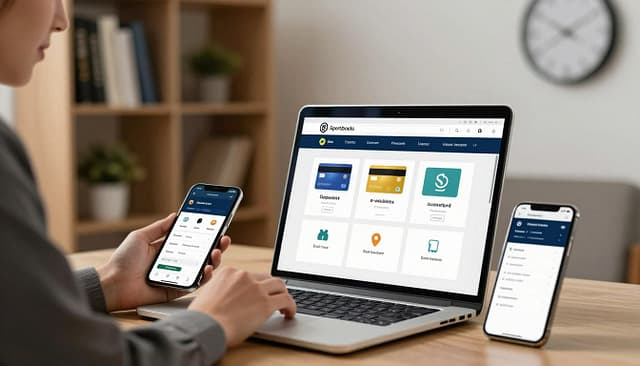
Social sportsbooks operate in a legal gray area. Instead of betting cash, you buy “Gold Coins.” These are virtual, like Monopoly money. You get “Sweeps Coins” as a bonus, which you can use to play games and win real prizes. It’s a sweepstakes model, not gambling.
This creates a unique economy. You can’t withdraw cash directly from these platforms. Instead, you earn Sweeps Coins through play or bonuses. These can be exchanged for gift cards or PayPal cash at certain thresholds. It’s a clever way to stay within the law while keeping players engaged.
For traditional online sportsbook users, the process is simpler but has its own challenges. E-wallets often process withdrawals quickly, while bank transfers can take longer. It’s important to know the fees and processing times before you start. A good platform is not just about its odds but also how fast it lets you get your winnings.
In the end, whether you’re dealing with real money or virtual tokens, the goal is the same. The flow of value defines your experience. Choose your entry and exit strategies carefully.
Odds presentation
Cracking the code of sports betting odds is more about understanding the bookmaker’s language than math. When you use your favorite betting apps, you see numbers that tell a story. A -110 next to a point spread or a +200 next to an underdog shows the risk and reward. It’s a language used in the Texas basketball betting scene, where knowing the odds is key to making smart choices.
American odds are common in the U.S. and are all about the moneyline. A negative number (-110, -150) shows how much you must wager to win $100. A positive number (+180, +250) shows how much you’d win on a $100 bet. The minus sign means a favorite, and the plus sign means an underdog. Each bet type has its own way of showing odds.
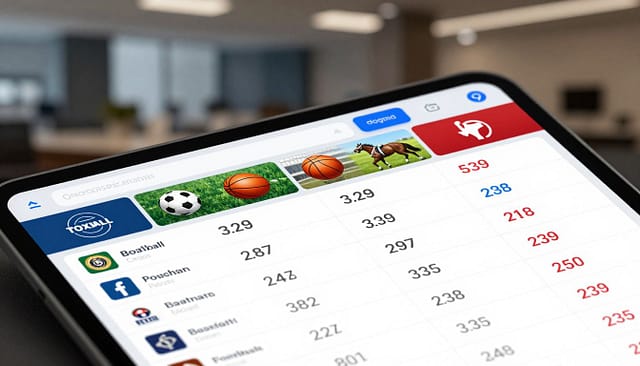
The same event can be shown in different ways on different platforms. A Daily Fantasy Sports (DFS) app might show a player’s performance as a points contest. It’s like a fantasy stock market. A traditional sportsbook shows the cold, hard probabilities of a moneyline. The -110 you see next to a point spread is the sportsbook’s commission, or “juice.” It means you must bet $110 to win $100. This is the house’s edge, the small fee for playing the game.
Daily Fantasy Sports (DFS) and traditional sportsbooks have different ways of showing odds. DFS platforms use a points-based, salary-cap system. You’re not betting on a single outcome, but building a lineup to maximize fantasy points. The “odds” are shown as player salaries and projected point totals. It’s a game of resource allocation, where finding undervalued players is key.
To see the difference between DFS and traditional sportsbooks, consider this:
| Feature | Traditional Sportsbook | Daily Fantasy Sports (DFS) |
|---|---|---|
| Core Mechanics | Wins, losses, point spreads, moneylines, over/under totals. | Salary cap fantasy sports; points based on player stats. |
| Odds Format | American odds (-110, +150), fractional, or decimal. | Projected fantasy points and player salaries. |
| Payout Structure | Fixed odds; you know the win upfront. | Payouts based on finishing position in large tournaments. |
| Player’s Role | Betting against the house on game outcomes. | Acting as a fantasy team manager, competing against other players. |
Understanding this split is key. A -110 on a point spread and a player’s salary in DFS are two sides of the same coin. The savvy bettor can spot value where others see only numbers. They know that a -110 line is more than just a number; it’s a story about risk, probability, and the bookmaker’s margin.
So, whether you’re analyzing a point spread on a betting app or building a DFS lineup, remember: the odds are a language. The faster you become fluent, the better your chances of making the bookies sweat. It’s not just about picking winners; it’s about understanding the price of the bet itself.
Legal considerations in Texas
So, you’re in Texas and wondering if you can bet on the Cowboys. Welcome to the legal mess. You can play the lottery or bet on horses, but online sportsbooks are illegal. The state’s politics are stuck, with bills like HB 1942 failing in 2023.
For now, betting on the Cowboys or Spurs means using a VPN. This is a legal gray area. Or, you’re out of luck.
This stalemate has led to creative workarounds. Social/sweepstakes models and Daily Fantasy Sports (DFS) operate in a gray area. They claim to be games of skill, not pure gambling. For more on Texas’s gambling laws, check here.
So, what can a Texan do today? The “social” betting apps and DFS are your options. The dream of legal online sportsbooks seems always just out of reach. Today, the scene is a mix of “not quite” and “not yet.”