
The Texas 2026 Recruiting Class has become one of the most watched roster-building stories in Austin because it touches nearly every part of the program’s future: quarterback development, defensive speed, line play, and the patience required to turn commitments into college contributors. For local fans, this is not only a national ranking conversation. It is a look at how Texas is trying to keep momentum inside a state where high school talent, campus identity, and alumni expectations are tied tightly together.
Recruiting analysis can become noisy fast, especially before players sign, enroll, practice, and prove where they fit. The supported picture here is more grounded: Texas has a highly rated quarterback commitment, has strengthened key defensive spots, has climbed in national class discussion, and still has work to do after missing on some major targets. That mix makes the class promising without making it complete.
Where The Texas 2026 Recruiting Class Stands
Ranking Context Without Hype
The Texas 2026 Recruiting Class has been reported as No. 9 nationally after recent commitments, giving the Longhorns a strong early position in the cycle, according to Athlon’s class assessment. A top-10 ranking matters because it signals that Texas is competing near the front of the national recruiting order, but rankings alone do not build a rotation. The more useful question is whether the class addresses positions that shape Saturdays in the SEC: quarterback, front seven, offensive line, defensive backfield, and playmaking depth.
Texas has enough headline talent to command attention. The class includes a commitment from five-star quarterback Dia Bell, a major offensive building block for a staff that must plan beyond its current roster. Quarterback recruiting carries special weight in Austin because every cycle becomes part of a longer conversation about offensive identity, patience, and pressure. A five-star passer gives the staff a premium player to develop, but it also raises the standard for how Texas builds the rest of the class around him.
That is where local fans should be careful. A quarterback commitment can lift a class profile, attract other skill players, and create buzz across campus. It does not solve protection, run-game efficiency, defensive depth, or special teams. The class ranking is useful, but the position-by-position fit tells more about whether Texas is building a roster that can survive injuries, road games, and schedule pressure.
Strengths Built Around Premium Positions
Texas 2026 Recruiting Class Strengths Start At Quarterback
The clearest strength starts with Bell. Texas securing a five-star quarterback commitment gives the staff a long-term centerpiece. In modern college football, quarterback recruiting is not only about arm talent. It affects receiver interest, offensive line confidence, and the way a fan base imagines the next roster cycle. For a community that follows spring practices, high school playoff performances, and every campus visit, the quarterback spot becomes the emotional center of a recruiting class.
That puts the Texas 2026 Recruiting Class in a strong position because quarterback certainty often gives coaches a cleaner recruiting message. Texas can tell offensive prospects who may be throwing them the ball, while defensive recruits see a program trying to keep pace on both sides. The value is not just star rating. It is the organizational clarity that comes with landing a top target at the sport’s most visible position.
Defensive Additions Give The Class Balance
The defensive side has also produced important wins. Texas added five-star linebacker Tyler Atkinson and flipped four-star defensive lineman James Johnson from Georgia, moves reported by Sports Illustrated’s recruiting report. Those additions matter because they prevent the class from becoming an offense-only story. A strong quarterback commitment gets the headlines, but defensive recruiting determines how well a team can handle tempo, physical run games, and late-season attrition.
Atkinson’s commitment gives Texas a high-end linebacker piece, while Johnson’s flip adds another front-line prospect to a position group that always needs bodies. Defensive line recruiting is rarely glamorous for casual fans, but it is central to roster health. Programs that win consistently usually stockpile linemen because development timelines vary. Some players can contribute early. Others need strength work, technique time, and a year or two before they become steady snaps players.
For Austin supporters, this defensive balance is one of the best signs in the class. Texas is not relying only on skill-position shine. The staff is showing that the front seven remains part of the long-term plan, and that is where championship-level depth usually begins.
Weaknesses Texas Still Has To Address
Missed Targets Show The Work Is Not Finished
The class has strengths, but it also has clear unfinished business. Texas missed on five-star offensive tackle Felix Ojo and four-star safety Chace Calicut, according to Athlon’s recruiting breakdown. Missing on top targets is part of recruiting, especially for a program battling national powers for the same players. Still, those misses point toward two important areas: offensive tackle and defensive backfield depth.
Offensive tackle is one of the hardest positions to recruit and develop. If Texas is building around a major quarterback commitment, protection becomes part of that same story. A passer’s development depends on pocket structure, communication up front, and the ability to avoid constant long-yardage situations. Missing on a five-star tackle does not mean the line class has failed, but it does leave fans watching closely for the next move.
Safety is similar. The position requires range, communication, tackling, and trust. In conference play, safeties must handle space against spread attacks and still fit the run with force. Missing on a four-star safety target does not erase the defensive wins Texas has already landed, but it keeps the secondary on the checklist.
- Quarterback is a clear strength because of Bell’s commitment.
- Linebacker and defensive line have gained important talent.
- Offensive tackle remains a spot fans should track closely.
- Safety depth is still worth monitoring as the cycle continues.
Future Prospects For Coaches And Fans
Development Will Decide The Real Value
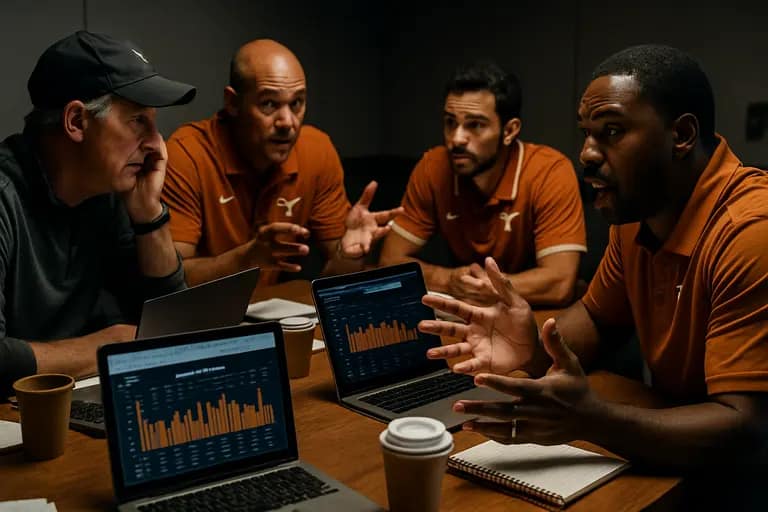
The Texas 2026 Recruiting Class will be judged later by development, not by the first wave of reaction. Coaches still have to retain commitments, close positional gaps, and build a class that fits the practice field as well as the ranking list. Some prospects may arrive ready to compete for snaps. Others will need time in the weight room, special teams work, and daily coaching before their value becomes visible.
That distinction matters to Texas communities beyond Austin. High school coaches across the state understand that star ratings are only part of a player’s story. College success depends on scheme fit, maturity, health, academic transition, and the willingness to accept coaching. For families and young athletes watching this cycle, the lesson is useful: recruitment is an achievement, but development is the longer test.
Texas also has to manage expectations around the quarterback position. A five-star passer can energize a fan base, but young quarterbacks usually benefit from a stable structure. That means offensive line depth, reliable receiving options, a run game that keeps defenses honest, and a defense that prevents every possession from becoming desperate. The class has pieces that help that structure, but the staff must keep filling around them.
Why This Class Matters For Texas Fans
The value of this recruiting cycle reaches into the local sports culture that makes Texas college athletics different. In Austin, a strong class affects season-ticket conversations, spring-game curiosity, booster energy, and the way fans follow Friday-night high school football. Across the state, it gives young athletes a window into how major programs evaluate size, speed, production, and positional need.
The Texas 2026 Recruiting Class is best viewed as a strong foundation with visible pressure points. Bell gives the offense a premium centerpiece. Atkinson and Johnson strengthen the defensive front-seven outlook. The reported top-10 national standing reflects real recruiting momentum. The misses on Ojo and Calicut remind everyone that the class is not finished and that elite roster building requires repeated wins at difficult positions.
For Longhorns supporters, the next stage is not about hype. It is about fit. Can Texas protect its quarterback investment? Can the defensive additions become more than names on a commitment list? Can the staff close remaining gaps without losing balance? Those questions will shape how this group is remembered far more than its early ranking. The class has given Austin plenty to discuss, and it has given coaches a meaningful base to build from before these players reach campus.