
Building a championship roster in Texas basketball recruiting looks entirely different today than it did just a decade ago. For generations, the standard formula involved scouting talented teenagers, securing their commitments, and developing them over three or four years. Today, the landscape operates more like professional free agency. A combination of immediate eligibility rules and evolving financial incentives has forced every major program in the state to completely rewrite its roster-building playbook.
The Transfer Portal: A Fast-Track to Contention
The introduction of the NCAA transfer portal fundamentally shifted how coaches approach the offseason. Instead of relying on raw, unproven freshmen to fill sudden roster gaps, elite programs now aggressively pursue established collegiate veterans. When a starting point guard graduates or declares for the draft, coaches no longer have to wait for an 18-year-old to learn the offensive system. They simply recruit a 21-year-old who just averaged 15 points per game at another Division I university.
Why Proven Experience Wins
This shift heavily prioritizes physical maturity and game readiness. Big 12 and SEC schedules are grueling, and throwing undersized freshmen into those physical matchups is incredibly risky. By utilizing the transfer portal, coaching staffs can instantly retool their rotations with battle-tested players who already understand the speed and physicality of high-level college hoops. This drastically shortens the rebuilding window, turning former rebuilding years into immediate championship pushes.
The Financial Reality of NIL
Name, Image, and Likeness (NIL) legislation serves as the true engine driving modern collegiate recruiting. Promising playing time and a world-class education is no longer enough to secure a top-tier prospect. Programs must now present a highly competitive financial package. Collectives and brand partnerships play an equal, if not greater, role than traditional coaching pitches.
Whether a university is trying to flip a blue-chip high school recruit or land the most coveted wing in the transfer portal, financial backing dictates who sits at the negotiation table. Deep-pocketed booster networks in Texas have given in-state programs massive leverage, allowing them to construct lucrative deals that rival early professional contracts.
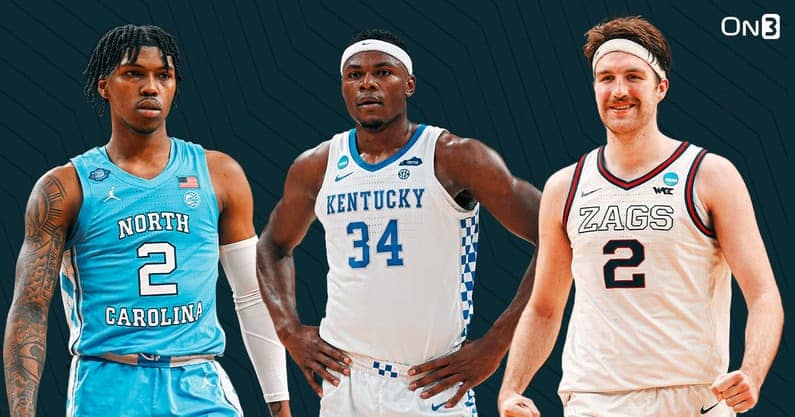
The Squeeze on High School Prospects
Because so much scholarship money and roster space is now dedicated to proven transfers, traditional high school prospects are feeling an undeniable squeeze. A decade ago, a solid three-star recruit was guaranteed a spot on a major conference roster. Today, that same player often finds themselves pushed out by a junior transferring down from a rival school.
This harsh reality is forcing the best Texas high school basketball programs to alter how they prepare their athletes. Prep coaches must ensure their seniors are physically ready for collegiate contact immediately, or they risk losing exposure. Consequently, platforms like the 247Sports recruiting rankings are evaluating high school talent with a much stricter lens, heavily weighing a player’s physical ceiling against the immediate value of an older transfer.
Comparing the Recruiting Eras
| Metric | Traditional Era (Pre-2021) | Modern Era |
| Primary Roster Focus | High school seniors. | Transfer portal veterans. |
| Development Timeline | 3-4 years of internal growth. | 1-2 years of immediate impact. |
| Main Recruiting Pitch | Playing time, campus life, NBA prep. | NIL packages and brand opportunities. |
| Roster Turnover | Low; mostly limited to graduations. | Extremely high; constant year-to-year shifts. |
Final Verdict: The New Formula for Success
Right now, the programs that win the recruiting battle are the ones that successfully balance the transfer portal with elite, high-end high school talent. Focusing entirely on high schoolers leaves a team physically outmatched, while relying solely on transfers destroys long-term program culture.
The undisputed kings of modern Texas basketball are the coaches who operate like professional general managers. They leverage NIL funds efficiently, hit the portal for immediate starting needs, and save their high school scholarships exclusively for elite, game-changing talent. The old way of building a basketball team is officially gone, and the new era of professionalized college recruiting is here to stay.