Forget the wizard behind the curtain. Setting sportsbook odds is more about math and psychology than magic. It involves cold calculations, understanding what people think, and covering costs.
Many think odds are made up out of thin air. But, it’s a precise, high-stakes process. Bookmakers predict not just the game’s outcome but how people will bet on it. This mix of probability and public opinion is where the real challenge lies.
The setting for this challenge is different. In a physical casino sportsbook, odds must cover the costs of lights, staff, and comfy chairs. This adds to the price, making the point spread slightly less favorable for you. It’s a business, and they aim to make a profit.
On the other hand, online sportsbooks have lower costs. They can offer better moneyline odds or more appealing over/under lines. It’s a competitive digital market, and this competition can lead to better deals for you.
So, when you see a moneyline or a point spread, it’s not just a prediction. It’s the result of a complex equation. This equation considers statistics, public opinion, and business costs. The “great odds-making machine” is a blend of probability, psychology, and profit. Let’s explore it further.
Online pricing advantages
Forget the velvet rope and the bouncer with a clipboard. Today’s VIP room is online, not in a physical place. The “Online Pricing Advantage” is real, thanks to digital bookmaking.
Physical sportsbooks spend on fancy decor and staff. Online bookies save on these costs. They pass these savings to you in better odds and bonanza of promotions.
The Digital Edge
Physical sportsbooks have high costs like rent and staff. Online bookies save on these. This means better odds for you.
The odds on big games are tighter online. The moneyline on underdogs is more generous. This shows how digital efficiency works in your favor.
This digital edge makes it a buyer’s market. You can quickly compare odds across many apps. This comprehensive odds comparison is your strongest tool.
Now, you’re not just taking the odds. You’re shopping for the best. This global competition is your power.
The Bonanza of Bonuses
Welcome to the promotional arms race. Online, you get big welcome bonuses. These are the new normal.
Reload bonuses and free bets are common. They’re like a casino host remembering your name. These aren’t freebies; they’re investments in you.
Use welcome bonuses to try prop bets explained risk-free. Want to bet on a division winner months ahead? Use a risk-free bet. The house bets you’ll get hooked, and they’re usually right.
The real magic is in the market depth. Online, you can bet on everything from who scores next to the exact minute of the first goal. This is live betting, where odds change in real-time.
This is the heart of the online advantage: lower costs mean better odds and more promotions. It’s not a gimmick; it’s a real edge for smart shoppers. The house built a better, cheaper casino. And for once, the little guy benefits.
In-person line movement
The digital screen shows numbers, but real odds are in the crowd’s faces. Online sportsbooks use algorithms, but in-person sportsbooks are alive. Here, live betting odds change with the crowd’s emotions. The line movement on screens is slow; real changes happen with the crowd’s reactions.
This isn’t just data; it’s the market’s raw, human form. A star player’s injury or a missed field goal changes everything. It’s not just numbers; it’s the crowd’s feelings.
The Psychology of the Pit
Walking into a casino or sportsbook is entering a market driven by human psychology. This is the pit, alive with its own pulse. The pit boss watches you, not just the game. They see the high rollers and the crowd’s energy.
This is the “tell” of the market. In a world of reading betting lines online, here you read people. The juice is more than a number; it’s the price of being part of this emotional theater. It’s a fee for a front-row seat to raw market sentiment. For more on this, check out what line moves reveal about market feelings.
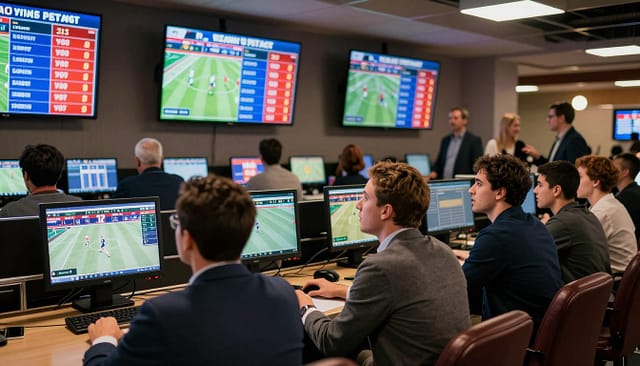
The atmosphere is full of data you can’t find online. A crowd’s reaction to a player’s injury is a leading indicator. The sharp money moves the room, not just the line on a screen.
You can feel a line about to break. The crowd’s mood changes before it shows in digital numbers. This is the edge that can’t be coded into an algorithm. The implied probability here is a vibe, a shared feeling.
Reading the Room vs. Reading the Screen
Online, you’re alone with numbers. In person, you’re part of a group. The difference is like chess versus poker. One is logic; the other is a psychological battle.
Online, the juice is explained in percentages. In the pit, it’s the cost of being part of a live market. You’re betting against the crowd’s mood and the person next to you.
This is where implied probability gets human. A 60% chance isn’t just a number. It’s the confidence of a bettor or the hesitation of a newcomer. The line moves with a big bet, not just on a server. For more on this, check out sports betting communities for digital insights.
The in-person experience teaches a key lesson: numbers are only half the story. The other half is in the crowd’s body language and mood. It’s a live betting odds market in its most raw form. The screen gives data; the room gives the story. The smart money learns to read both.
Shopping for the best odds
In today’s world of sports betting, odds are more than just numbers. They are a language that smart bettors learn to speak well. This skill is what sets them apart from casual bettors. It’s not about luck; it’s about finding the best value.
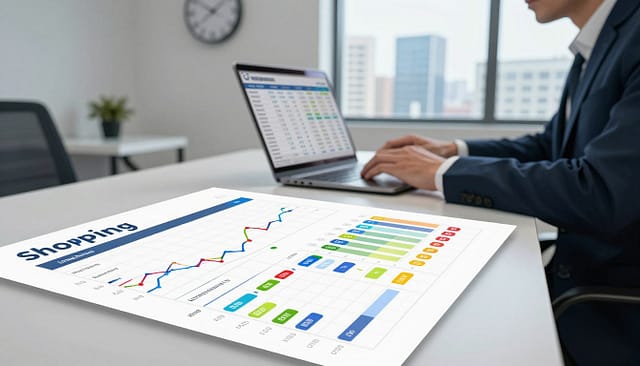
The global betting market is like a 24/7 auction house. Prices change constantly due to many factors. Your goal is to find the best price, not just predict the outcome.
The Art of the Line Shop
Today, you can find many online bookies with different odds. Line shopping is essential for smart betting. It means checking different sportsbooks for the best price on your bet.
Even a small difference in odds can make a big difference over time. For example, a 5-cent difference can turn a profit into a loss.
A sharp bettor sees a game as a matrix of prices. They look for the best price, like the New York Knicks being +140 at one bookie and +150 at another. This 10-cent difference can greatly affect your expected value.
This is the first rule of bankroll management: always check the price before betting. It’s like never paying full price for anything.
From Mug Punter to Value Hunter
The “mug punter” bets with their heart and follows the crowd. The value hunter bets based on value. This shift is all about value betting.
Let’s say the market thinks Team A has a 60% chance to win. This should mean odds of -150. But if you find +120, that’s a value bet. The market has made a mistake.
For a value hunter, managing your bankroll is key. They might only bet 1-2% of their bankroll on a single play. This ensures they can handle the ups and downs.
The table below shows how different sportsbooks price the same event differently. This creates opportunities for sharp bettors.
| Sportsbook | Moneyline Margin | Point Spread Vig | Key Feature for Shoppers |
|---|---|---|---|
| FanDuel Sportsbook | 2.8% | -108 | Best for Same-Game Parlays |
| DraftKings | 3.1% | -110 | Widest Market Selection |
| BetMGM | 3.5% | -110 | Strong Live Betting Interface |
| PointsBet | 2.9% | -105 (on select spreads) | Low-Margin Promos for New Markets |
Finding the best price is not just about one bet. It’s about understanding why the line changes. A sharp bettor looks for reasons behind the price changes. This is where value betting becomes a strategic analysis.
Being proactive in betting is all about discipline. It’s like finding an undervalued stock. Your bankroll management plan is your risk capital. Each bet is an investment in finding market mistakes. That’s the art and edge of the modern value hunter.
Why small differences matter
Forget the jackpot. The real profit comes from tiny differences between winning and losing over time. This is like compound interest in sports betting.
The Compound Interest of Percentages
Let’s say you bet €100 at odds of 1.85. You get €185 back. But at 1.95, you get €195. That €10 difference might seem small, but it adds up.
As a odds comparison guide shows, this small gap grows. Over many bets, finding the better price gives you a big advantage. This is the key to winning in the long run.
The Long Game of Marginal Gains
Winning isn’t just one bet; it’s a series of small improvements. It’s about finding that extra 0.10 in the odds. It’s using sportsbook promos and risk-free bets wisely.
It’s also about hedging bets to secure profits. These strategies aren’t tricks; they’re essential for success. The house makes money on the vig, a small tax on bets. Your goal is to reduce this tax, bit by bit, using every odds comparison and risk-free bet offer.