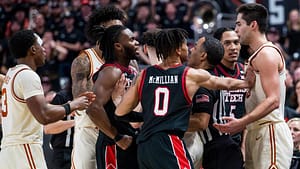
Do you remember 2018? That’s when the Supreme Court made a big change. They ruled in Murphy v. NCAA, giving states the power to allow sports betting. Many states quickly jumped on the opportunity.
But Texas took a different path. We adopted a “wait-and-see-until-2027” approach. Our legislature only meets in odd-numbered years, leaving us waiting until at least 2027. It’s like sticking with dial-up internet when everyone else has fiber optics.
Lt. Gov. Dan Patrick is a big reason for the delay. He’s not keen on discussing sports betting. Despite several attempts between 2020-2023, nothing has changed.
So, we’re stuck watching as other states make money. Our next chance? Hold on until 2027. If you can wait that long.
Current Laws & Regulatory Bodies
Welcome to Texas, where the betting laws are as empty as a ghost town. The legal scene for sports betting is eerily quiet. It’s like a vast, open space with no activity.
Our neighbors get to enjoy modern betting options, but Texas sticks to its old ways. The rules for sports betting are non-existent because there’s nothing to govern.

Daily fantasy sports exist in a legal gray area, kind of like a sunny spot in a gray world. Adults 18+ can play DFS games that slipped past lawmakers unnoticed.
Many betting bills have tried to pass through Texas’s legislature but failed. Some House members have blocked them, creating a stalemate. It’s like a chess game where one player has all the moves.
So, who watches over this non-existent industry? It’s like having traffic cops for cars that don’t exist yet. The Texas Racing Commission deals with pari-mutuel betting, but not traditional sports betting.
This situation is both interesting and puzzling. Texas is a holdout state, yet it has some of America’s most passionate sports fans. The gap between cultural love for sports and strict laws is huge.
Different states have different ways of handling betting laws. Some have welcomed it with open arms. Texas is taking its time to figure things out.
The current situation is a mix of politics and reality. It’s like the Wild West of sports betting laws, where debates are the only action.
Legal Bets for Basketball
Texas hasn’t just outlawed sports betting – it’s created a fascinating linguistic dance around what constitutes a legal wager. While traditional sportsbooks remain forbidden, daily fantasy sports platforms have mastered the art of semantic judo. They offer basketball fans creative ways to engage with the game.
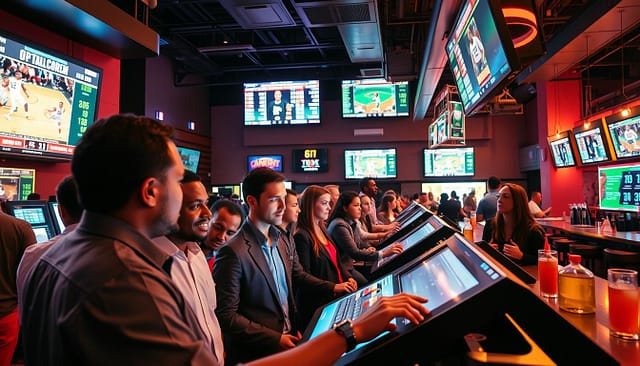
So what can you actually play? The answer lies in redefining what “betting” means under Texas law. DFS platforms operate in a gray area. Here, predicting player performance becomes a game of skill, not chance.
What Basketball Fans Can Actually Wager On
Through platforms like Underdog, Sleeper, and DraftKings Pick6, Texas basketball enthusiasts can participate in various contest formats. These aren’t your traditional point spreads or moneylines. They’re statistical prediction games that cleverly navigate legal boundaries.
The most popular options include:
- Player props: Will Luka Dončić score over/under 30 points tonight?
- Over/unders: Predicting whether teams will exceed statistical benchmarks
- Best ball contests: Drafting players whose combined stats determine winners
- Statistical predictions: Forecasting rebounds, assists, blocks and other metrics
It’s like the difference between calling a tomato a fruit versus a vegetable – technically accurate but practically identical to what everyone else calls sports betting. These platforms have turned legal interpretation into an art form.
| Platform | Basketball Offerings | Entry Types | Texas Availability |
|---|---|---|---|
| Underdog | Player props, tournament contests | Single-game, season-long | Fully accessible |
| Sleeper | Custom leagues, prop challenges | Private and public contests | Statewide access |
| DraftKings Pick6 | Stat predictions, fantasy contests | Daily and weekly entries | Legal participation |
For those seeking more traditional betting information, comprehensive Texas betting resources provide valuable context about the evolving landscape. Remember – in Texas, it’s not sports betting if you call it fantasy sports. This makes this one of the most interesting texas sportsbook legal scenarios in the country.
The clever wording means you can bet on basketball without technically betting. It’s a loophole that would make any English major proud. Here, semantics determine legality, and player props become fantasy projections.
What’s Illegal
Welcome to Texas gambling laws, a complex maze. The rules are like a bad choose-your-own-adventure book. Every path leads to a dead end, unless you play state-approved games.
Texas has some of the strictest gambling laws in the U.S. While other states welcome sports betting, Texas keeps it out of reach.
The Forbidden Fruit of Texas Sports Betting
Let’s play “What’s Actually Illegal in Texas?” Traditional sports betting is the big winner. Betting on the Mavericks or Rockets? Illegal.
Casino-style games are off-limits. It’s like a buffet with everything but bread rolls behind glass. The state’s gambling laws make daily fantasy sports a gray area, while traditional sports betting is banned.
The NCAA adds more rules. If you’re involved in college sports, even legal DFS is off-limits. They say you can gamble on sports through DFS but can’t call it gambling, while actual gambling is illegal.
This is like saying you can swim in the pool but can’t get wet. The irony is as thick as a Texas steak.
| Type of Betting | Legal Status | Potential Consequences |
|---|---|---|
| Traditional Sports Betting | Fully Illegal | Class C misdemeanor |
| Casino Games | Fully Illegal | Class A misdemeanor |
| College Team Betting (In-State) | Explicitly Prohibited | NCAA violations + legal penalties |
| Daily Fantasy Sports | Legal Gray Area | Currently tolerated but unregulated |
| Athlete/Staff Participation | Strictly Forbidden | NCAA sanctions + possible legal action |
The table shows the weird rules for sports betting Texas style. Some activities are in legal limbo, while others have clear penalties.
This is frustrating for fans. The same legislature that bans sports betting considered legalization bills. These bills would have allowed betting on pro sports but kept the ban on in-state college teams.
So, you can bet legally in Louisiana or New Mexico but not from Texas. The state’s approach to sports betting feels more like protection than freedom.
Fines & Legal Risks
Welcome to the legal gray area in Texas, where betting laws are as confusing as a bad book. You never know which page will lead to trouble.
For most sports fans, the risks are low. Texas rarely goes after people who bet casually. The big danger is offshore sites that might take your money without giving you anything in return.
What Happens If You Break the Rules
Now, let’s talk about the real consequences. While casual bettors might get away, the NCAA is very strict. They see sports betting as a serious offense.
Student-athletes and staff face harsh penalties. They could lose their eligibility or even end their careers over a small bet. It’s like being told to do one thing but doing another.
The laws in Texas are confusing. You need a law degree to understand what’s illegal. The current texas betting laws add to the confusion.
| Violation Type | Potential Consequences | Enforcement Reality |
|---|---|---|
| Individual Casual Betting | Minimal state prosecution risk | Mostly unenforced for small bets |
| Offshore Platform Use | Financial loss risk | Platform reliability issues |
| NCAA Violations | Eligibility loss, career impact | Strictly enforced for athletes/staff |
| Organized Operation | Felony charges | Serious legal consequences |
The table shows that the system protects institutions more than individuals. Student-athletes face harsh penalties, while illegal operators often get away.
Texas has a unique view on gambling, unlike its neighbors. The contradictions are endless, like trying to understand a complex sports bet.
Understanding texas betting laws means knowing the real risks. It’s not about being moralistic. It’s about knowing what actions lead to trouble.
Resources
Understanding Texas’ gambling scene can be tricky. Even without a texas sportsbook legal setup, there are places to get help.
When the Thrill Goes Too Far
The National Problem Gambling Helpline (1-800-GAMBLER) is like a support group. The Texas Coalition on Problem Gambling helps with local issues. This includes problems with fantasy sports or betting sites.
Protecting the Players
College athletes face special challenges. The NCAA works with EPIC Global Solutions and Venmo to protect them. This is like having a shield for their mental health in a world where gambling is banned.
These resources are like a safety net for a situation that shouldn’t exist. They help even though Texas laws say it’s not allowed.